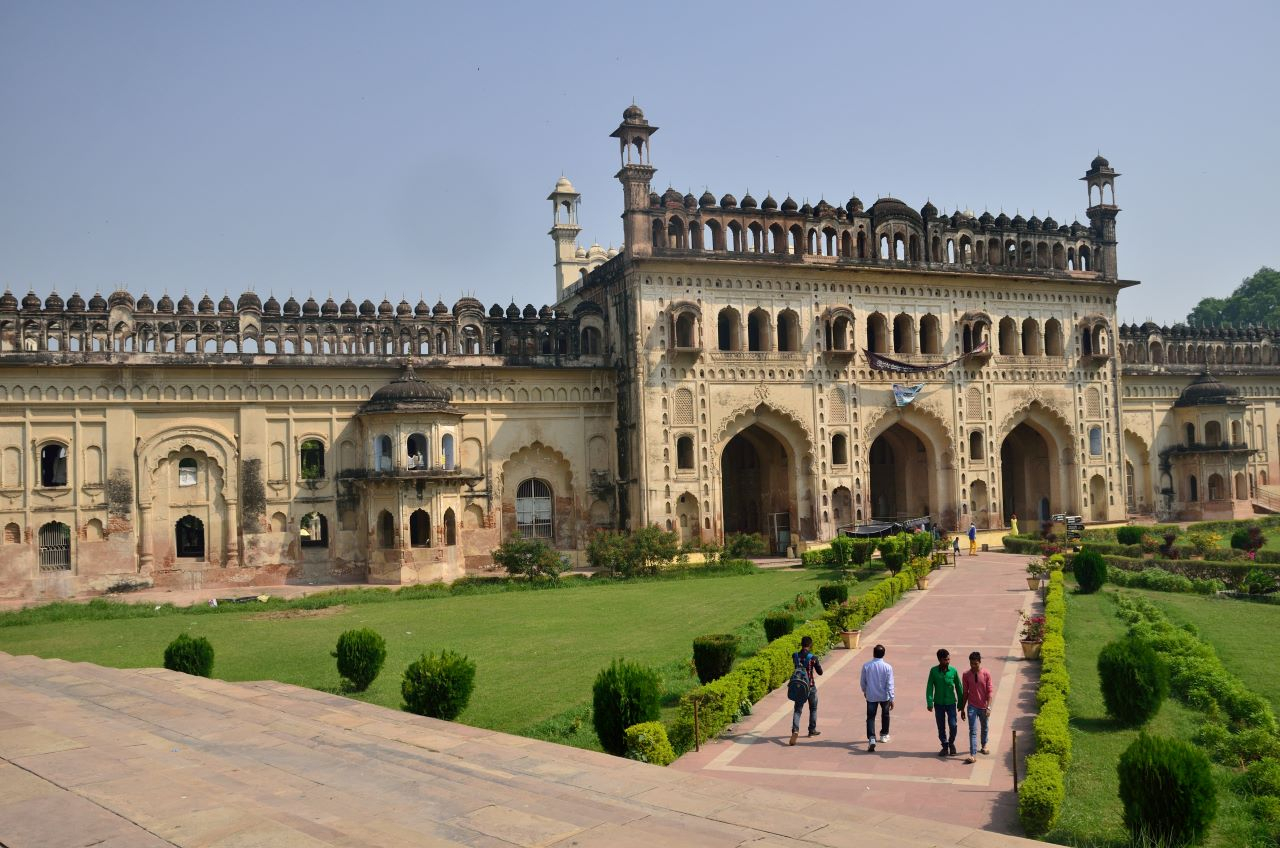
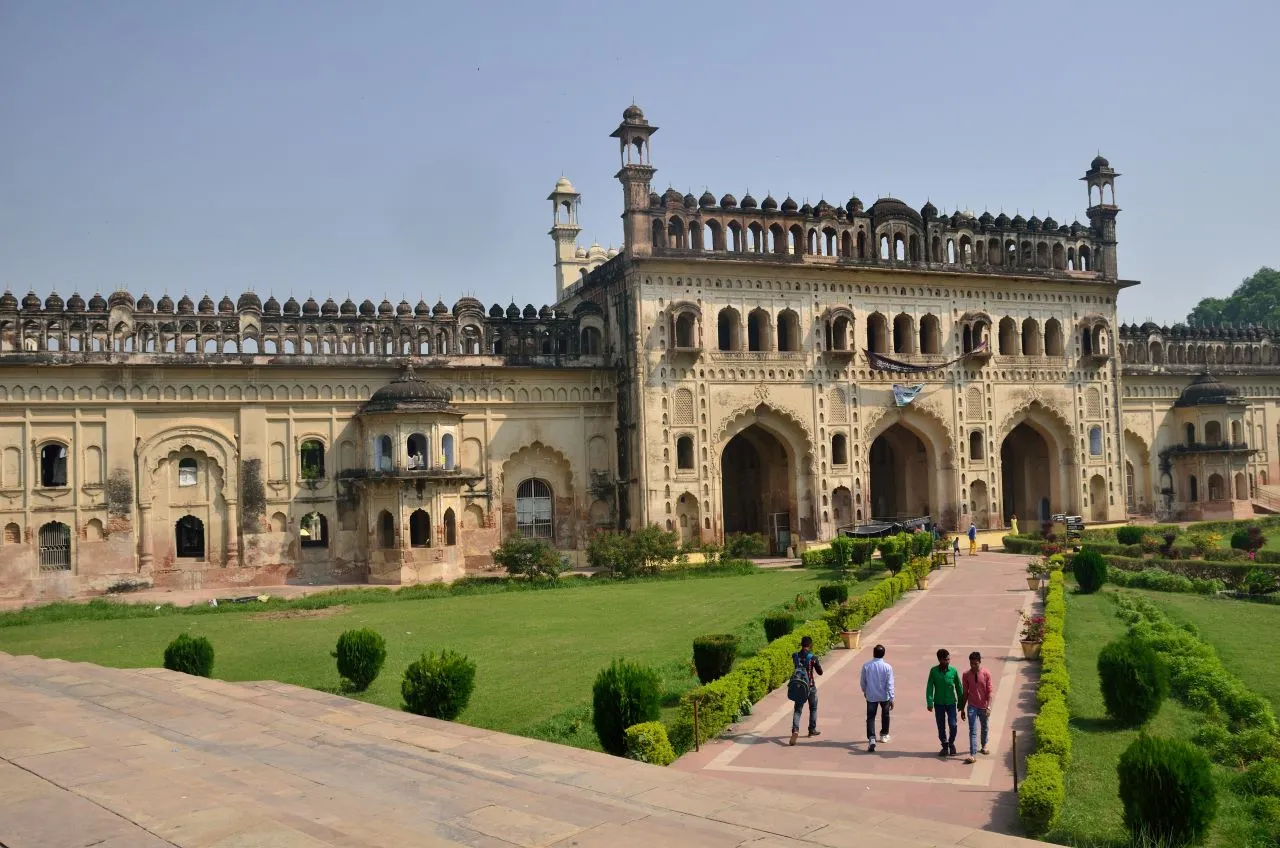
Bara Imambara, translated from Bara meaning 'Big' and Imambara meaning 'sacred hall that was constructed for the purpose of Azadari'. It is amongst the pristine heritage buildings of Lucknow.
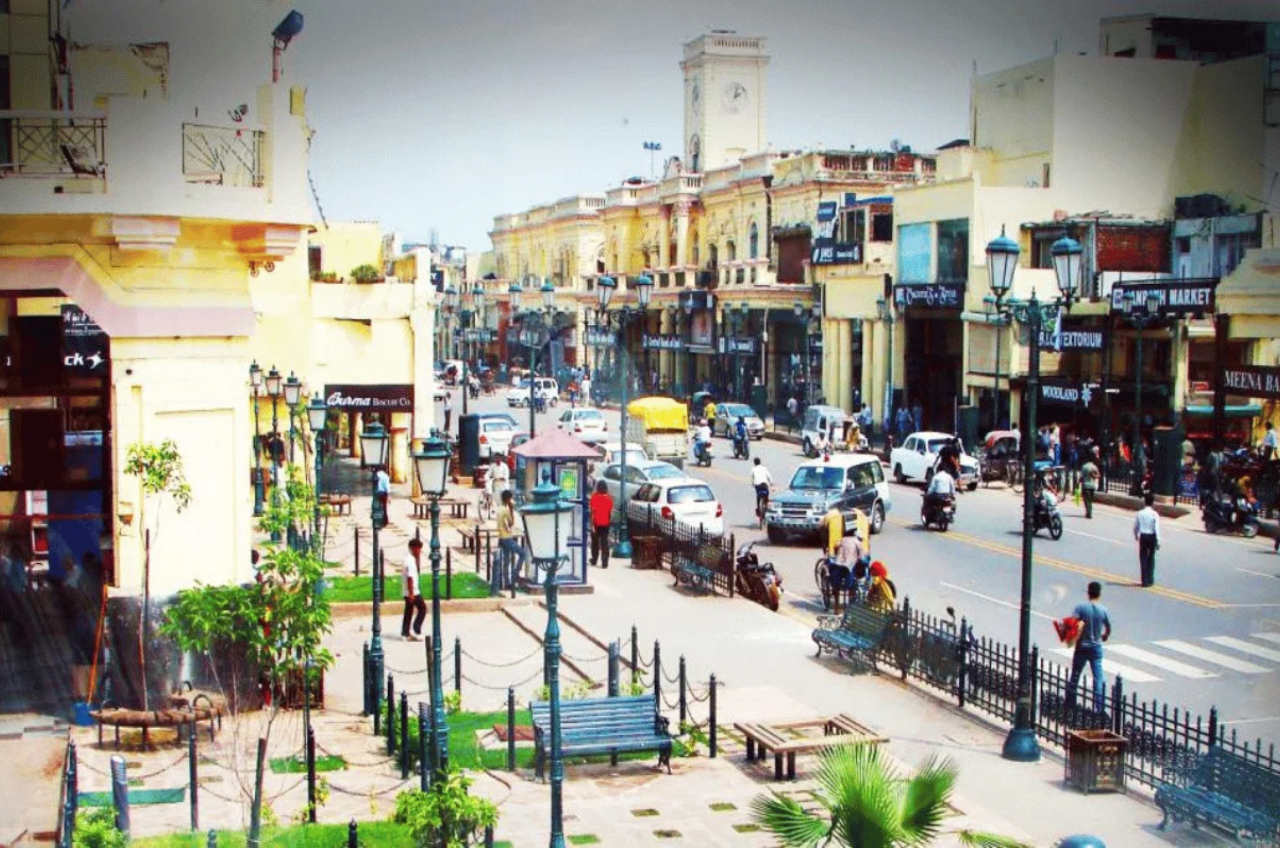
Just like every city has an eminent shopping street or area, Lucknow has Hazratganj, the busiest market in the city. Shop, sip, walk, relish at the multifarious restaurants here. Spend your day Ganjing (the term used for shopping in the city's ganj market) and enjoy every bit of it and explore Lucknow in the best way possible. If fortunately, you are in the city on the second Sunday of a month, you can entertain yourself with the Ganj Carnival when the market becomes a host to various cultural and entertainment programmes.
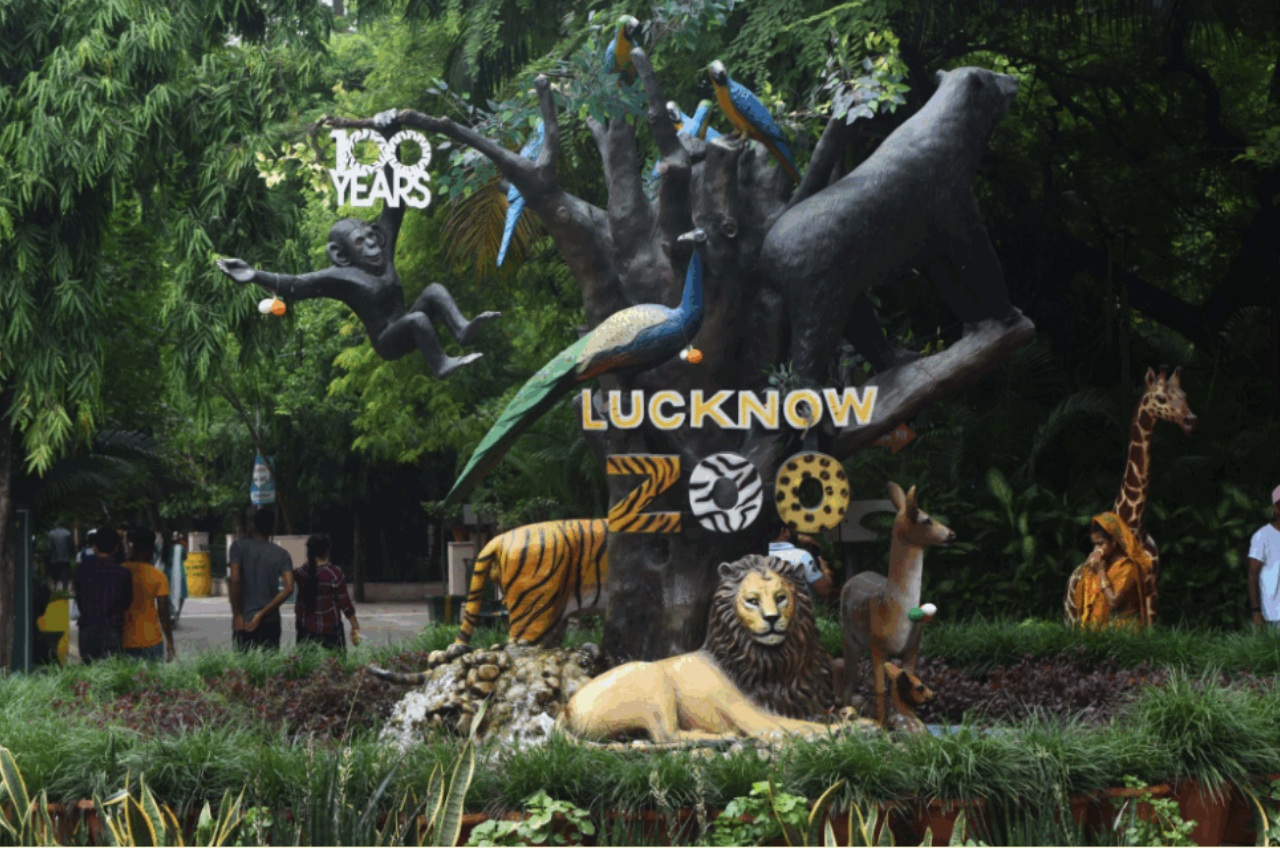
Situated around 13 kilometres from The Piccadily Hotel, the Lucknow Zoo is one of the most popular places to visit in the city, housing a wide variety of birds and animals such as the Royal Bengal Tiger, White Tiger, Lion, Golden Pheasant, and Silver Pheasant. Along with these fascinating creatures, the zoo also features a vintage train display and a charming toy train that runs across the premises, making the experience enjoyable for visitors of all ages.
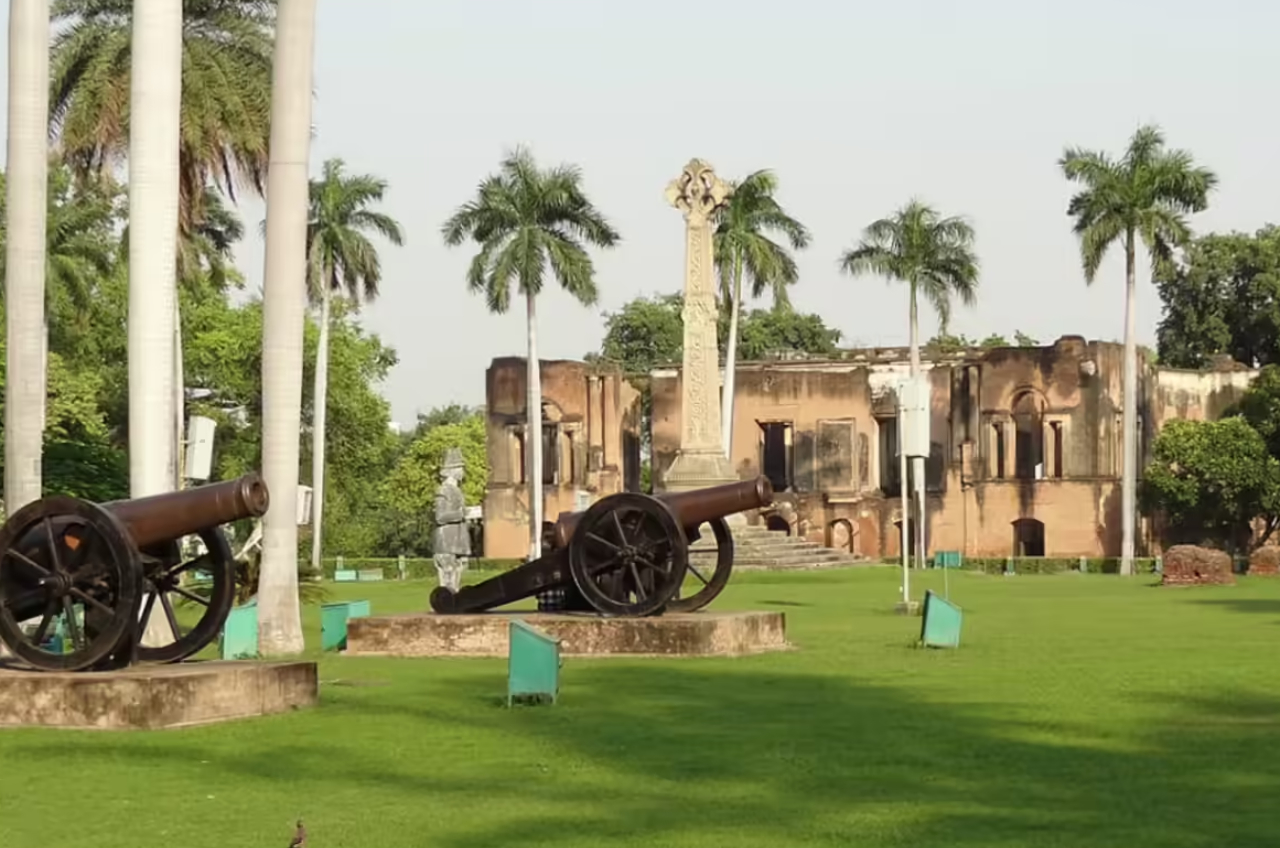
The Residency, Lucknow, holds immense historical significance and stands as one of the most important structures from the period of British rule in India. Visiting this iconic site is among the most enriching historical places to explore, offering a deeper understanding of the city’s past. From Bailey Gate to Begum Kothi, the buildings here are a symbol of the Indian freedom movement and the ruins here are one of the most popular Lucknow attractions.
Over the years, the Chota Imambara has earned the moniker “Palace of Lights,” admired for its elegant beauty and intricate architectural craftsmanship. It stands among the most remarkable historical landmarks in Lucknow, drawing visitors with its grandeur and cultural significance. The main building itself is surrounded by fascinating structures like Charbagh, the Hamam, the dual Taj Mahal replicas and much more.
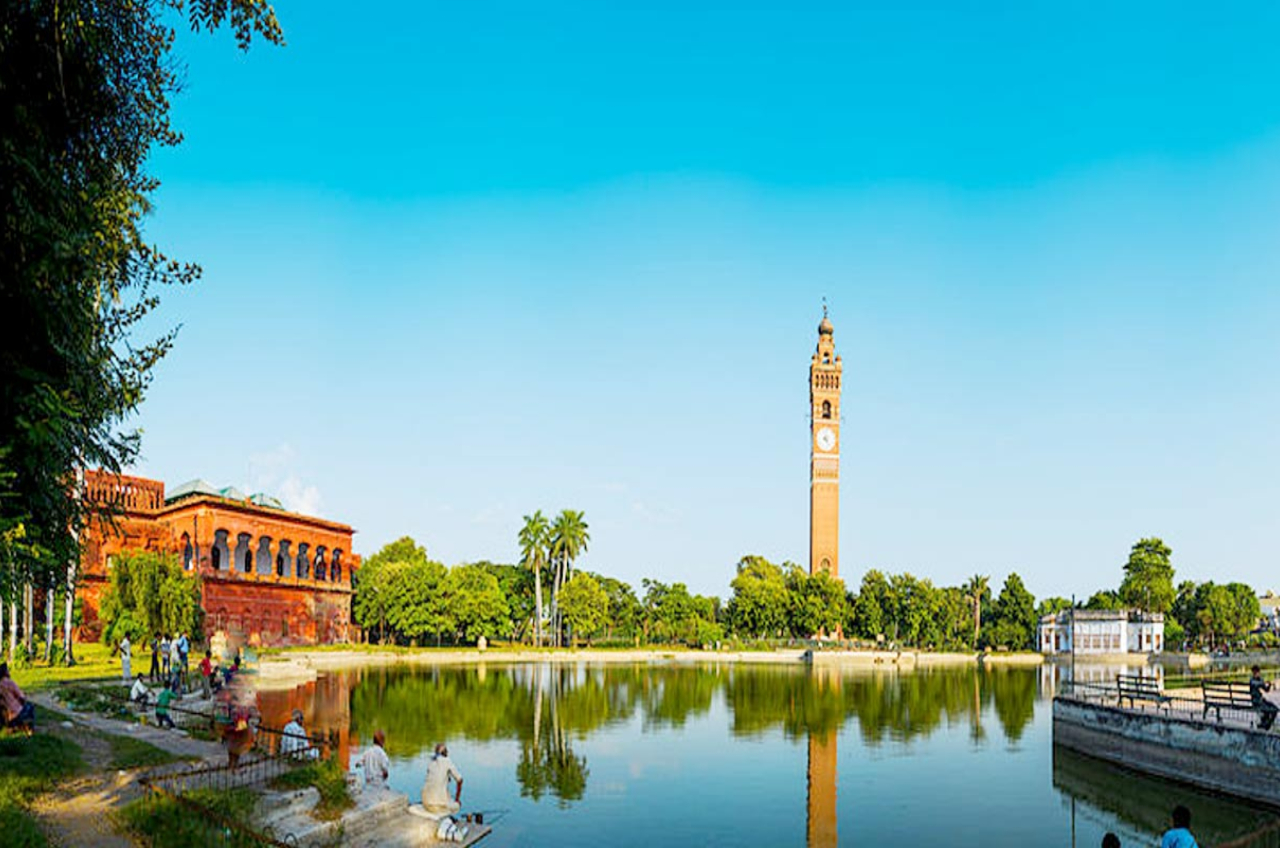
The Husainabad Clock Tower in Lucknow, Uttar Pradesh, is a remarkable architectural marvel from the British era and stands among the prominent tourist attractions in the city. Built in 1881 by Nawab Nasir-ud-din Haider, the ruler of Awadh, the tower reflects the grandeur of the region’s historical heritage.
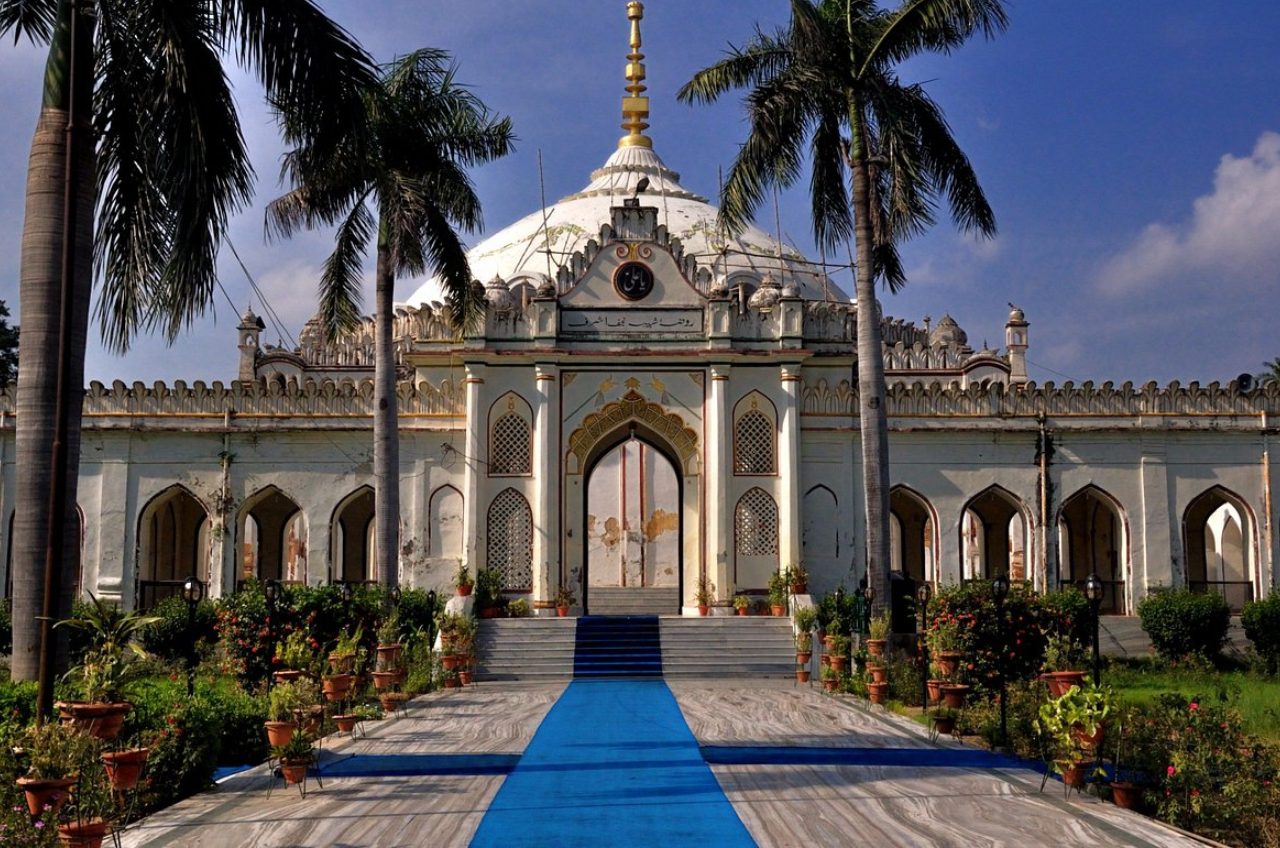
Imambara Shah Najaf is one of the lesser-known yet significant historical sites in Lucknow. It was built by Ghazi-ud-din Haider in memory of Hazrat Ali, and its design draws inspiration from the revered tomb of Hazrat Ali in Najaf, Iran, from which it derives its name. Located along the banks of the River Gomti on Maharana Pratap Road, Imambara Shah Najaf offers a peaceful and culturally enriching experience, making it a worthwhile stop for visitors exploring the city. This historical landmark has been attracting a lot of attention since its inception and is considered an architectural marvel by all, making it one of the many places to visit while in Lucknow.
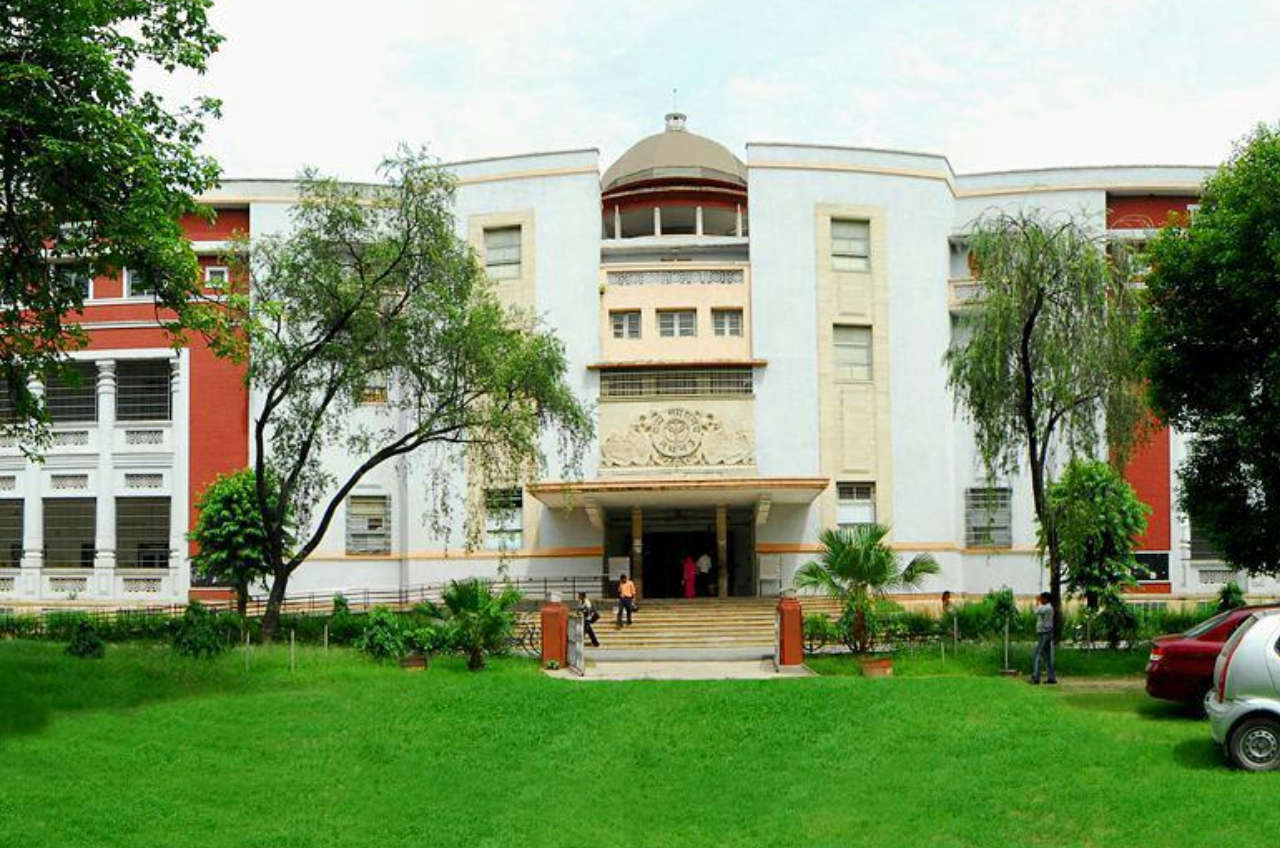
A culmination of museum and archives, the Lucknow State Museum is a modern three-storied monument that serves as the nexus of the city’s history and culture, making it one of the most enriching places to visit in the city. Housing an extensive collection of sculptures, bronze statues, paintings, woodworks, coins, decorative arts, and prehistoric etchings, the museum stands as a testament to Lucknow’s rich heritage through the ages
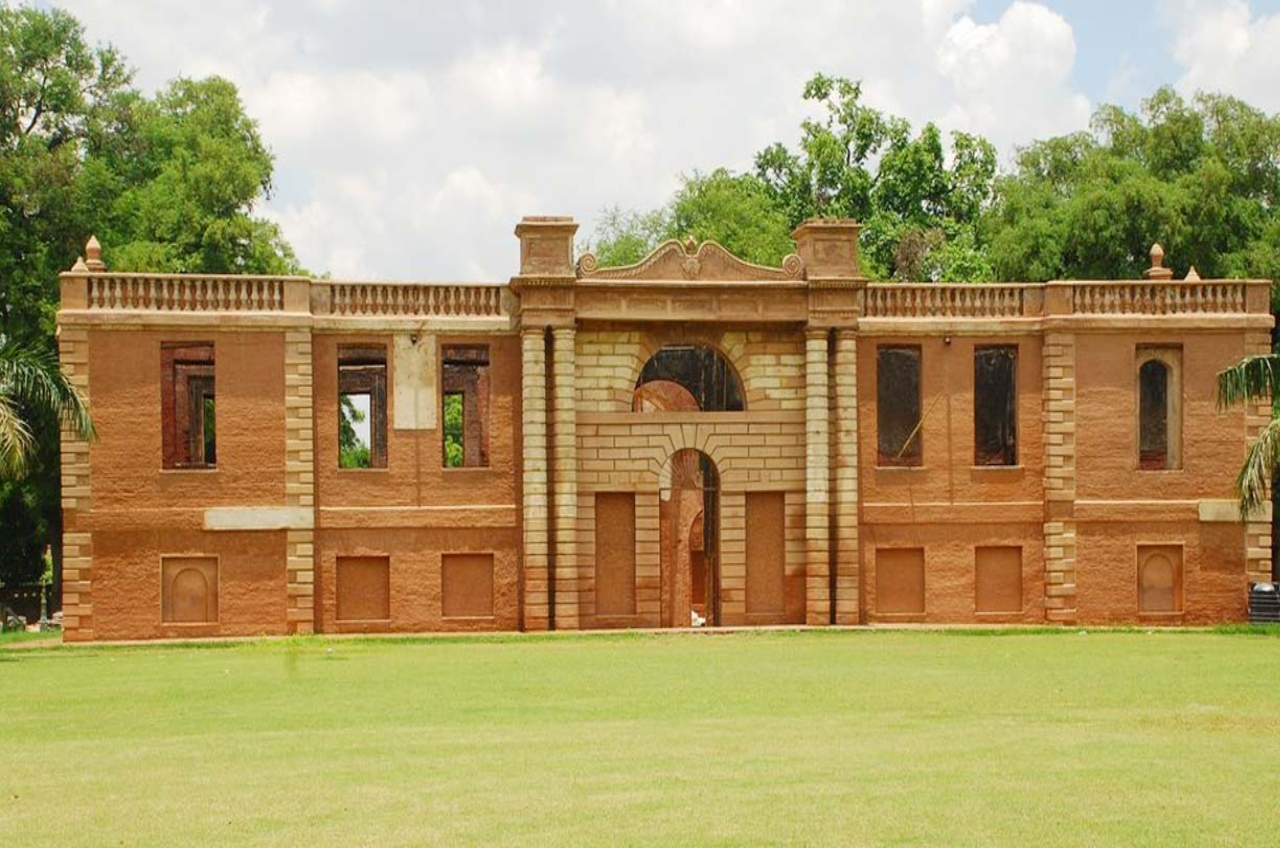
Another symbol of the alliance between British imperial power and the Nawabs of Awadh, the Dilkusha Gardens extend around the historic Dilkusha Kothi, which now remains a collection of evocative ruins. Visiting this site is among the notable tourist places to explore for those interested in the city’s colonial-era history.
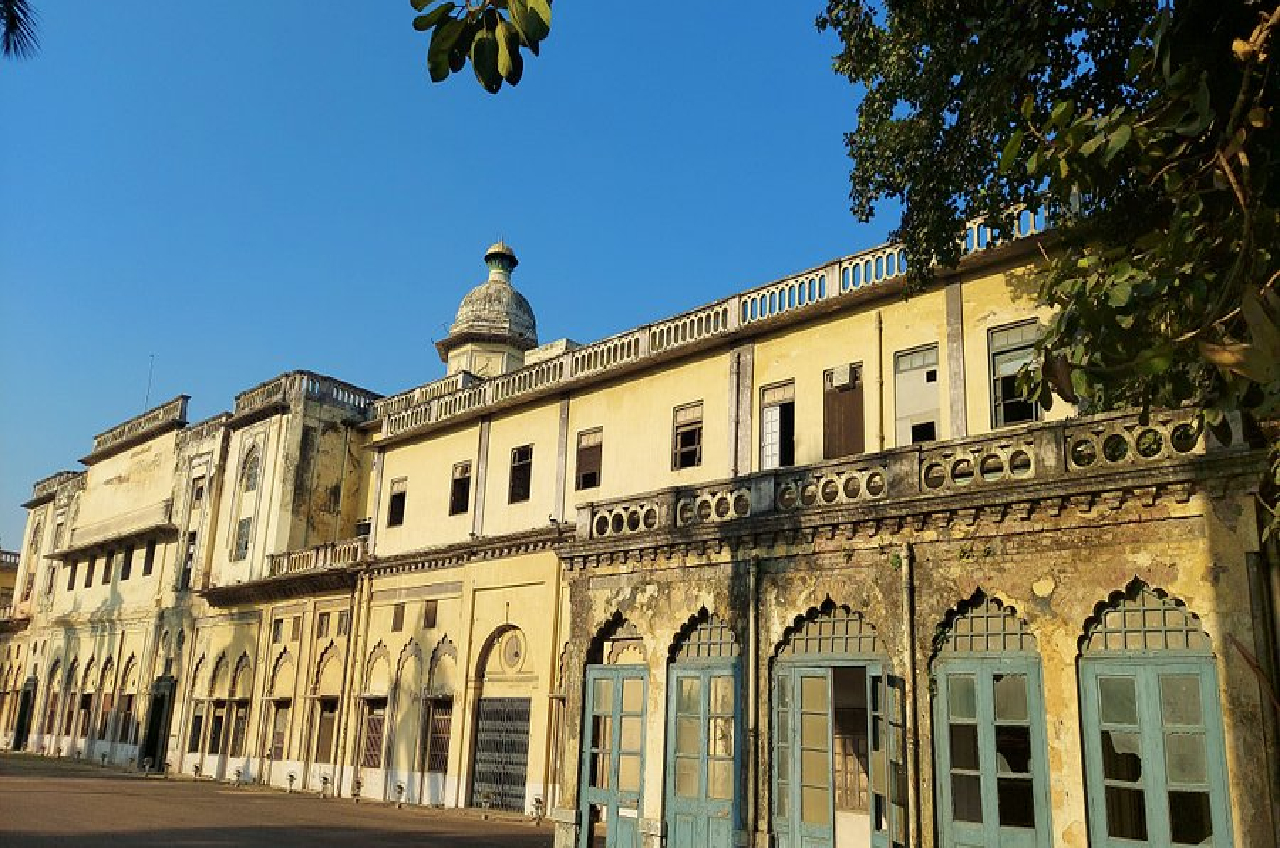
Also known as the “Umbrella Palace,” Chattar Manzil is a prominent historical landmark in Lucknow, Uttar Pradesh. It once served as a royal residence for the Nawabs of Awadh until Wajid Ali Shah shifted his residence to Qaiserbagh. During the Sepoy Mutiny of 1857, parts of the palace were damaged by the British forces, as the ruler and his consort had extended their support to the rebellion. Today, the monument stands as an enduring reminder of Lucknow’s royal heritage and its role in India’s freedom struggle.
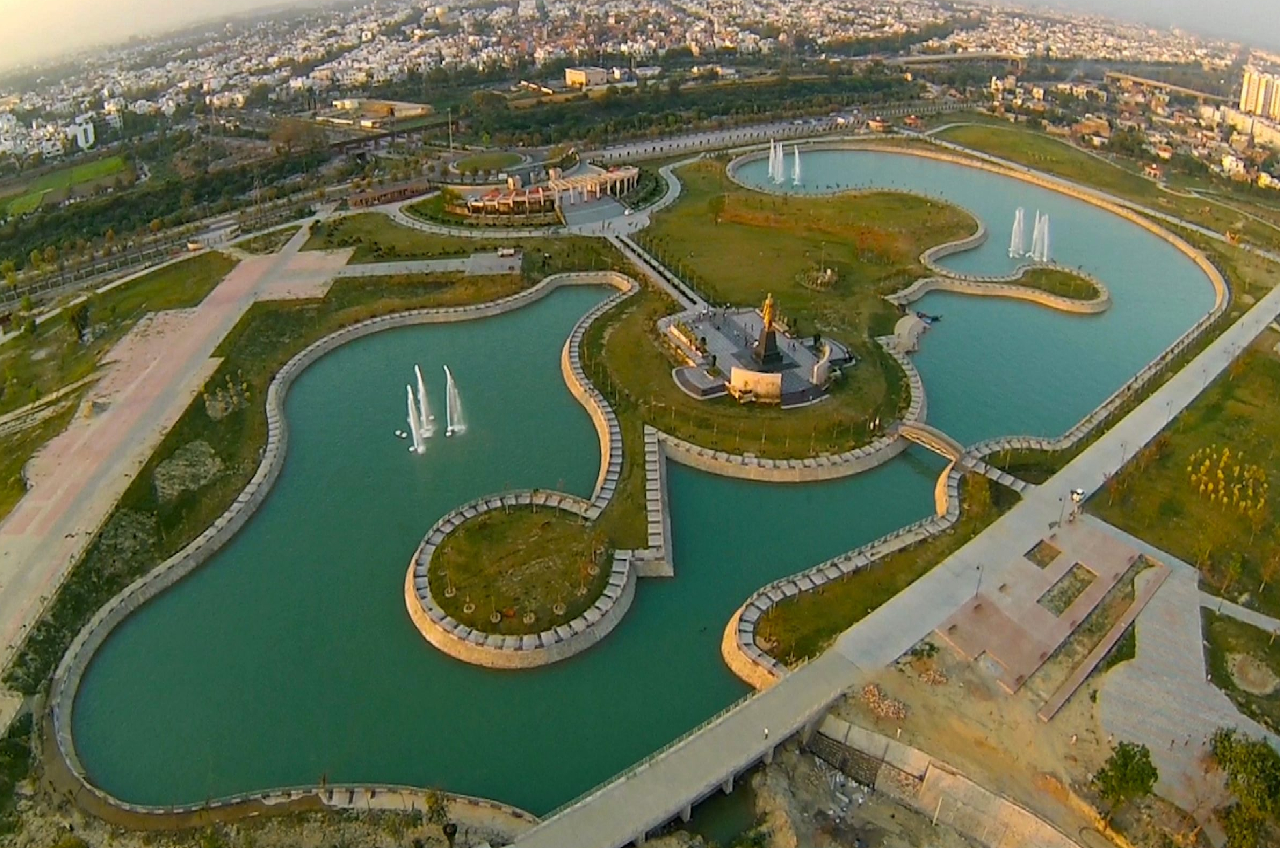
Named after the renowned politician Janeshwar Mishra of Lucknow, Janeshwar Mishra Park was inaugurated in August 2014 and is known as Asia’s second-largest park, featuring expansive green landscapes and beautiful man-made lakes. It is among the most refreshing places to go for visitors seeking relaxation amidst nature.
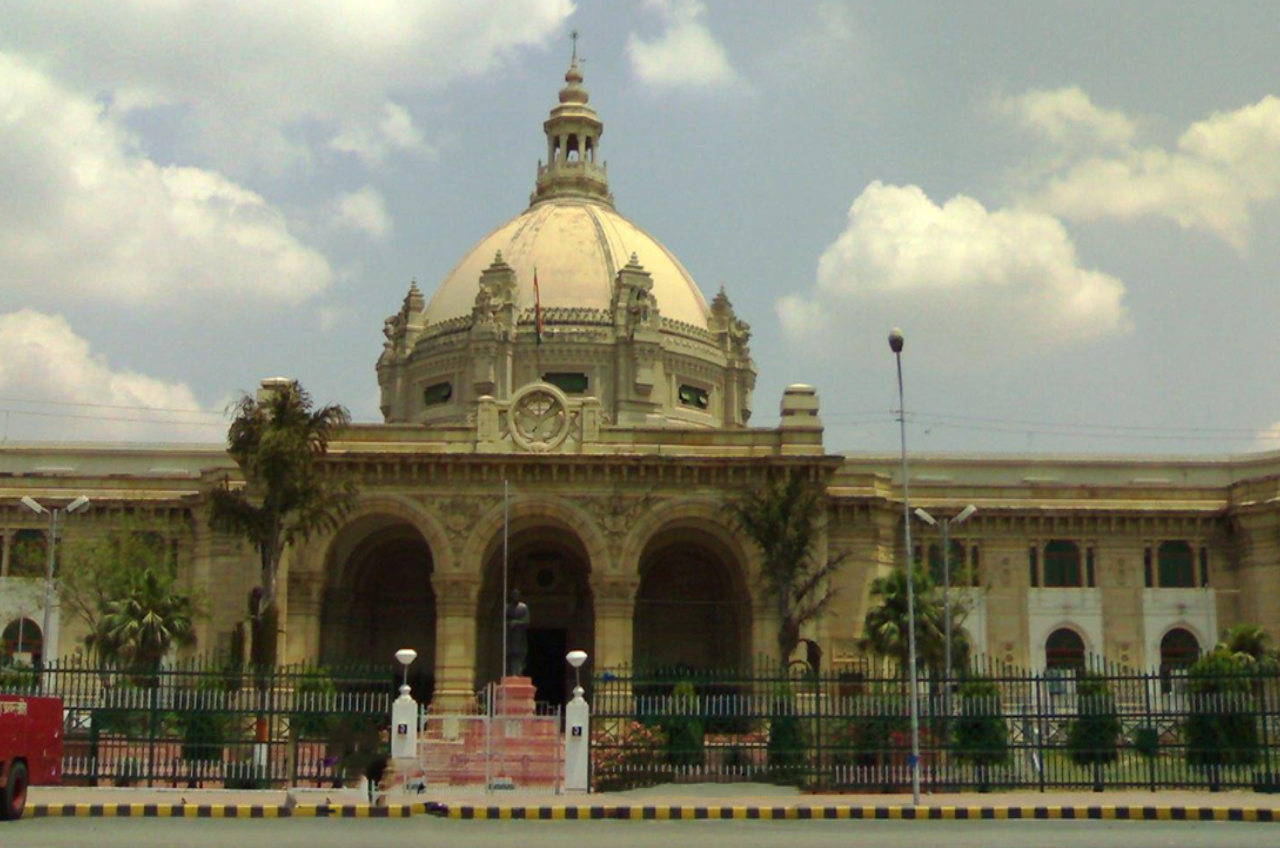
The Vidhan Sabha Bhawan, commonly known as Vidhan Bhawan, is one of the finest examples of Indo-European architectural craftsmanship from the twentieth century and stands among the notable tourist attractions in Lucknow. Serving as the seat of the state legislative assembly, the monument represents a striking blend of political significance and architectural beauty. Its grand design and historical importance make Vidhan Bhawan a must-visit landmark for travellers exploring the city.
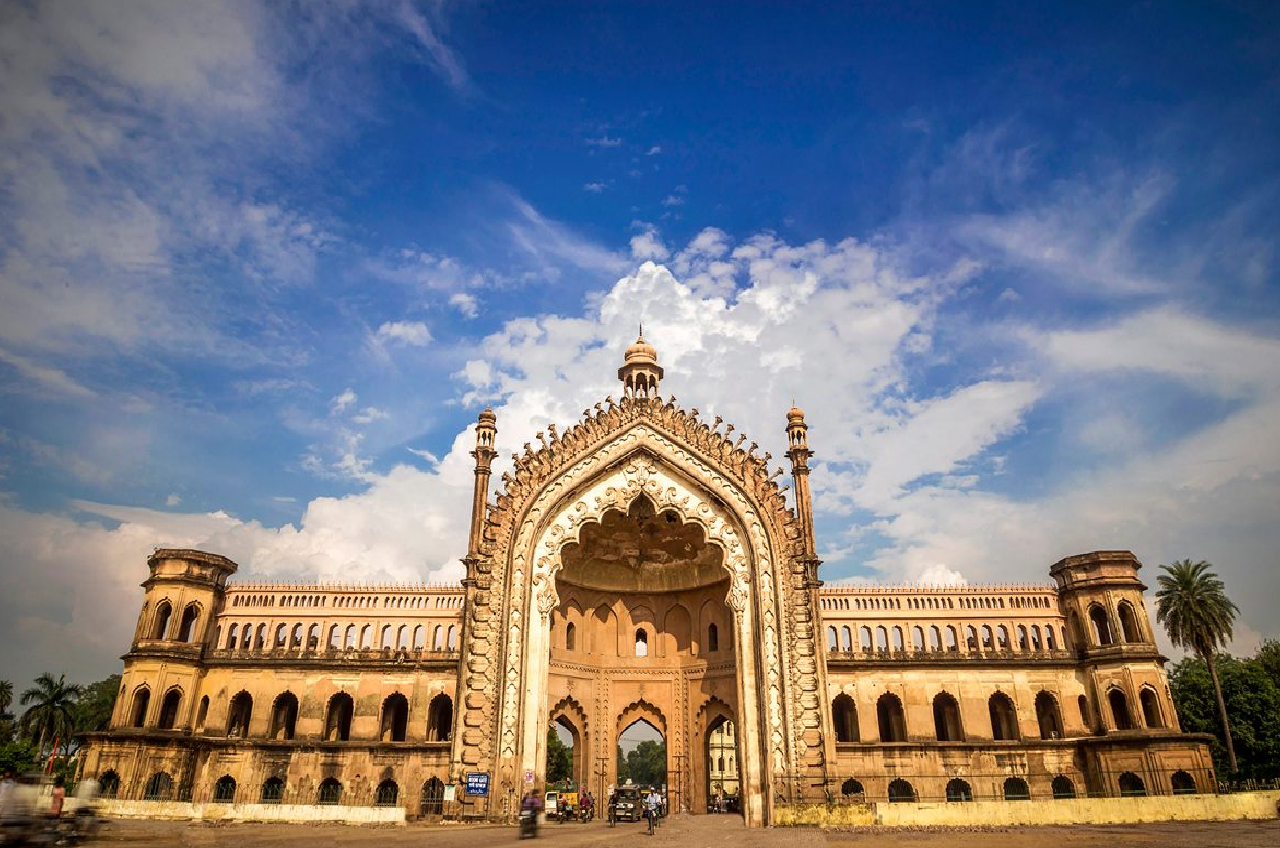
Constructed around the same time as the Bara Imambara and designed by the same architect, the Rumi Darwaza is one of the most iconic historical landmarks in Lucknow. This grand gateway was inspired by the gateways of Istanbul, historically known as “R?m” (East Rome), from which the monument derives its name.